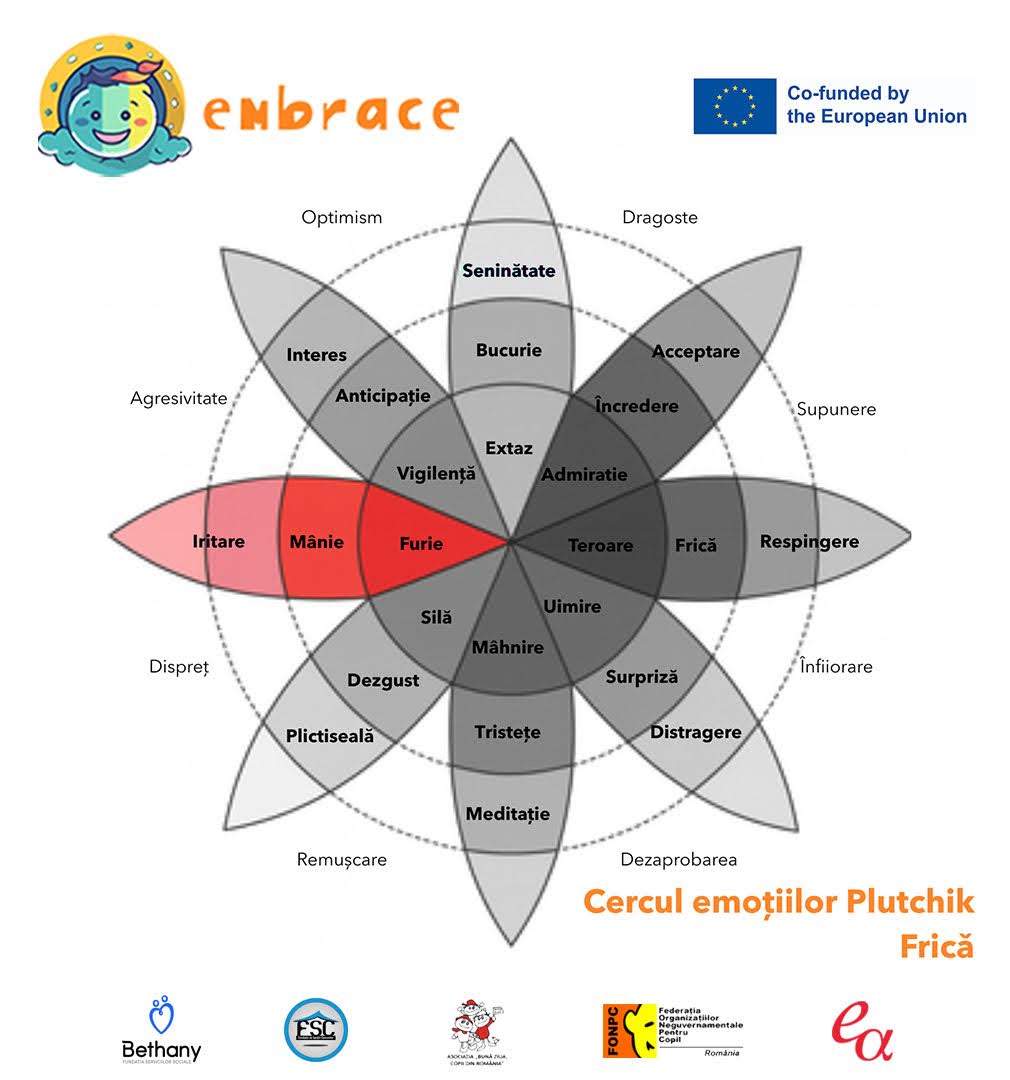
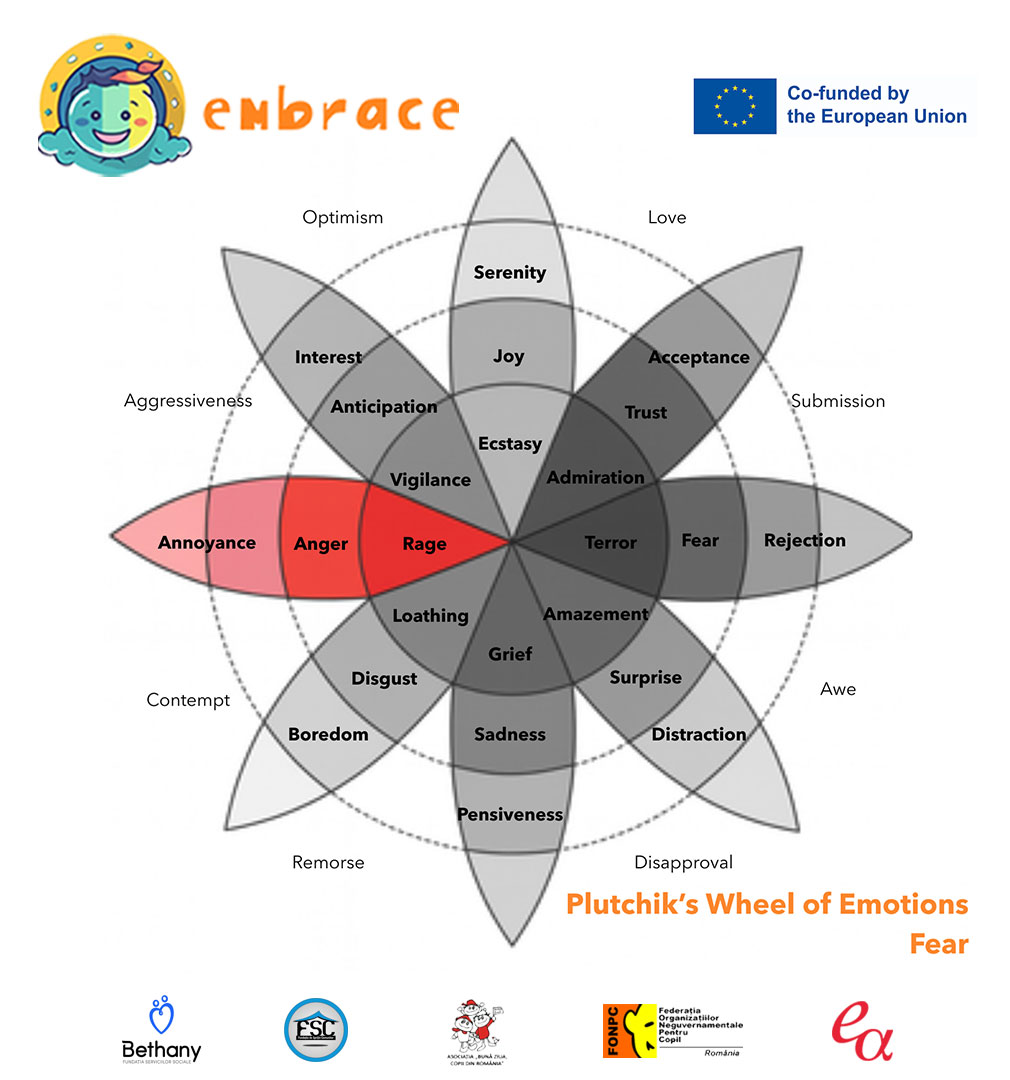
Exploring anger, irritation, and rage and how recognizing them supports children’s emotional development.
Anger is a natural human emotion that everyone experiences from time to time. For children, it can appear as frustration, irritation, or sudden outbursts that feel difficult to control. This week, as part of the EMBRACE Project’s Public Awareness Campaign and the Know Your Emotions series, we focus on anger and its role in emotional development.
Anger is not a problem in itself. It is an important signal that something feels unfair, overwhelming, or threatening. When children learn to recognize anger and understand what causes it, they are better able to respond in ways that protect themselves and others rather than acting impulsively.
A New EMBRACE Video on Anger
The latest EMBRACE video introduces anger through the experiences of familiar characters. In the story, moments of irritation grow into stronger feelings when misunderstandings, unfair treatment, or unmet needs appear. With the support of others, the characters learn that anger can be expressed and managed without harm.
The video shows that anger does not disappear instantly. Instead, it changes when children are helped to pause, reflect, and find constructive ways to respond. Rather than framing anger as “bad behavior,” the story presents it as a feeling that carries information and deserves attention.
👉 Watch the video here:
EN: https://youtu.be/l7S92nzF7hI
RO: https://youtu.be/3DP6LX6D4kY
Why Anger is Significant for Emotional Development
Psychological research shows that anger ranges from mild irritation to intense rage and is often accompanied by physical reactions such as tension, faster heartbeat, or impulsive urges. These responses are normal. Difficulties arise when children do not yet have the skills to manage them effectively.
When anger is acknowledged and explored, children learn:
- That anger is a common and temporary emotion
- That strong feelings can be expressed without hurting others
- That understanding the cause of anger helps guide better decisions
Emotional literacy gives children the language and tools to turn anger into problem-solving, boundary-setting, or asking for support. Over time, this supports emotional regulation, self-control, and healthier relationships.
Turning Anger Into Constructive Action
Anger can play a positive role in children’s lives. It can help them stand up for themselves, recognize unfairness, and feel motivated to change a situation. The EMBRACE approach focuses on helping children notice early signs of anger and reflect on what they need in that moment.
Supportive adults make a difference. Calm listening, naming the emotion, and offering space to cool down help children feel safe enough to regain control. These everyday interactions teach children that anger can be managed and does not define who they are.
Through animations, educational resources, and participatory activities, the EMBRACE Project supports families and educators in helping children understand anger and respond to it in healthy, constructive ways.
Source: Medicare Mental Health, Understanding feelings of anger