When we talk about adolescent mental health, we often focus on diagnoses, therapy models, and crisis intervention.
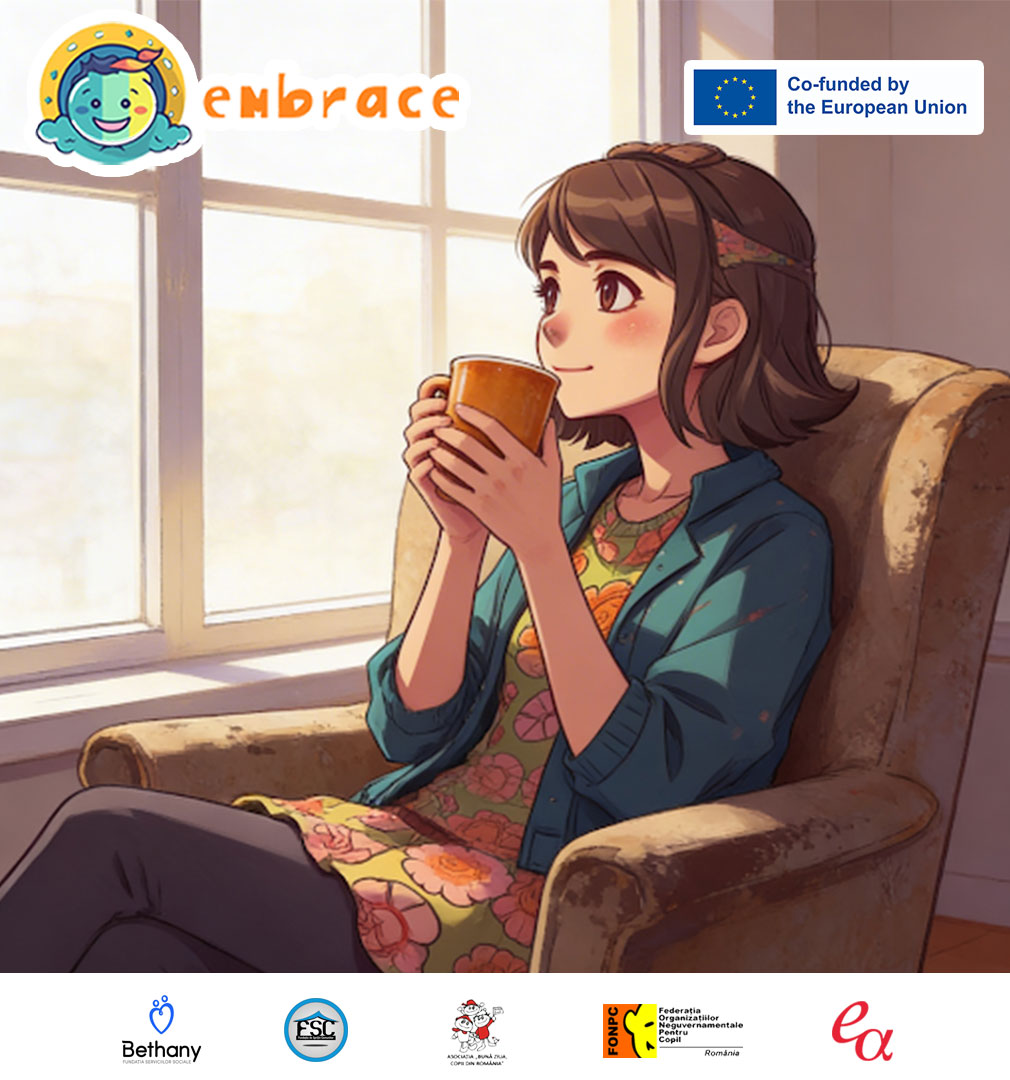
But sometimes the question is simpler: How can we help young people feel calmer in their own bodies?
Depression and anxiety are among the leading health challenges for adolescents worldwide. Research shows that many adult mental health conditions begin between the ages of 11 and 18. This makes early support not just important, but essential.
A recent large-scale systematic review looked at one specific element of psychological support: relaxation techniques.
The researchers analyzed 65 randomized controlled trials involving more than 8,000 young people aged 14 to 24. Their goal was to understand whether relaxation techniques (used on their own or as part of broader interventions) actually reduce symptoms of anxiety, distress, and depression.
The results were clear.
Relaxation techniques were highly effective in reducing anxiety.
They showed moderate effects in reducing distress.
They had smaller, but still positive, effects on depressive symptoms.
Interestingly, face-to-face delivery had stronger results than online formats, a reminder that human connection still matters.
What Do We Mean by Relaxation Techniques?
Relaxation techniques are structured strategies designed to reduce the body’s stress response.
They include:
- Progressive muscle relaxation
- Guided imagery
- Breathing exercises
- Autogenic training
Some practices like meditation, yoga, and tai chi are often grouped within this broader category as well.
The goal is to regulate the physiological stress response. Slowing the heart rate, calming muscle tension, and reducing the physical intensity of anxiety.
When the body feels safer, the mind often follows.
Why This Matters in Schools and Communities
Young people today navigate constant stimulation. Academic pressure, social expectations, digital overload, uncertainty about the future.
Teaching relaxation is not about avoidance. It’s about equipping them with a practical skill they can use independently.
It is low-risk.
It is adaptable.
It can be delivered in schools, youth programs, and community settings.
And most importantly, it empowers young people to understand their own stress signals.
The review also highlighted that more high-quality research is needed, especially in low-resource settings. But the existing evidence already points to something valuable: relaxation techniques are not just a “nice addition.” They are an active ingredient in supporting youth mental health.
Slowing Down as a Form of Strength
In a world that rewards speed and productivity, teaching young people how to pause may feel counterintuitive.
But resilience is not built only through challenge.
It is built through recovery.
Helping adolescents learn how to slow their breathing, release tension, and reflect quietly for a few minutes each day might seem small. Yet these small practices can shape how they cope with stress long term.
At EMBRACE, we believe that strengthening mental health starts with practical, accessible tools.
Sometimes, the first step toward resilience is simply this:
Pause.
Breathe.
Reconnect.
And from there, growth becomes possible.
Funding Agency: EACEA – European Education and Culture Executive Agency
Learn more about EMBRACE: embrace-future.eu