Anger is a normal and useful emotion. It helps children and adults recognize when something feels unfair, stressful, or wrong. As part of the EMBRACE Future Project’s Public Awareness Campaign and the Know Emotions series, this week focuses on how anger works and how it can be managed in healthy ways.
Anger prepares the body to act and confront a problem. According to Robert Plutchik’s Wheel of Emotions, anger is the opposite of fear. Fear prepares us to protect. Anger prepares us to confront. Both emotions play an important role in emotional development and survival.
Difficulties arise when anger feels overwhelming or turns into aggressive behavior. Children may struggle with anger for many reasons, including stress or anxiety, conflict at home or with peers, bullying, school pressure, or emotional changes during puberty. Sometimes the cause is not immediately clear, which is why understanding anger takes time and support.
Tips:
Research shows that anger often appears in the body before it appears in behavior. A faster heartbeat, tense muscles, clenched fists, or feeling hot or restless are common early signs. Learning to notice these signals helps prevent anger from escalating.
Putting words to anger also matters. When children can say “I feel angry” or “I feel frustrated,” the intensity of the emotion often decreases. Naming emotions supports self-control and emotional awareness.
Calming the body helps calm the mind. Slow breathing, counting to ten, or releasing muscle tension can reduce impulsive reactions. Taking a short break from a situation can also help. This is not avoidance. It is a pause that allows emotions to settle so communication and problem-solving can continue.
Physical movement plays an important role as well. Activities like walking, running, cycling, or active play help release built-up tension and reduce stress linked to anger.
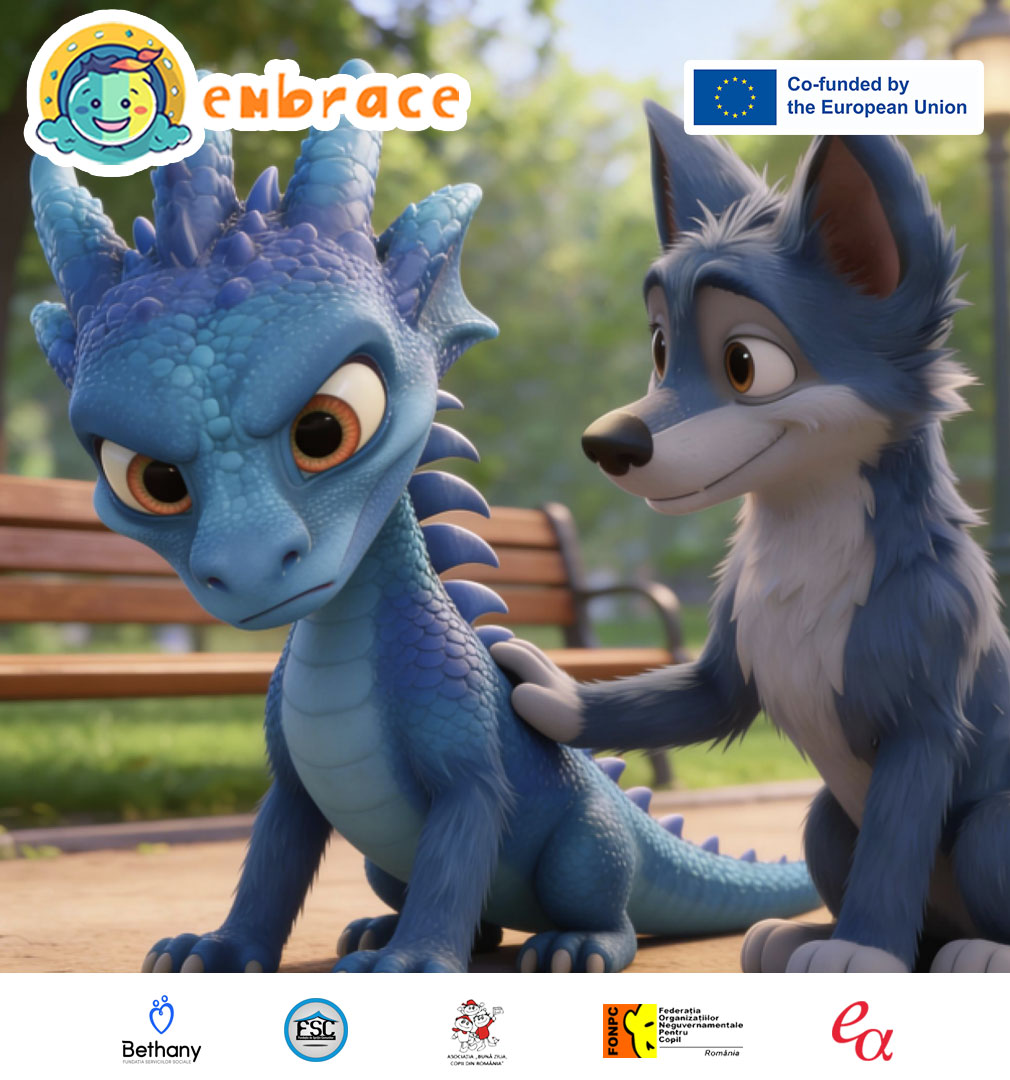
Children learn anger management best through supportive relationships. Calm listening, naming the feeling, and staying present help children feel understood and regain control. Over time, these experiences build stronger emotional regulation skills.
If anger becomes aggressive, persistent, or harmful, additional support may be needed. Speaking with a general practitioner, school nurse, or mental health professional can help identify underlying challenges and offer guidance.
Read in Romanian:
Through education, awareness campaigns, and practical resources, the EMBRACE CERV PROJECT supports families, educators, and communities in understanding emotions and building emotional resilience.
Source: NHS child mental health guidance, Helping your child with anger issues