Amplifying Young Voices: Why Artistic Freedom Is a Form of Advocacy
If you ask a child what they need to feel safe, their answer might surprise you.
But how often do we actually ask?
Children’s advocacy does not begin in policy rooms. It begins in classrooms, homes, youth centers, and creative spaces, wherever young people are given the opportunity to express themselves freely and be taken seriously.
Within the EMBRACE project, artistic freedom is not treated as an extracurricular luxury. It is recognised as a powerful tool for participation, emotional development, and civic engagement.
Artistic Freedom as a Foundation for Child Participation
Artistic freedom allows children and young people to:
- Express emotions that may be difficult to verbalise
- Explore identity in a safe environment
- Share opinions about issues that affect them
- Build confidence through creative ownership
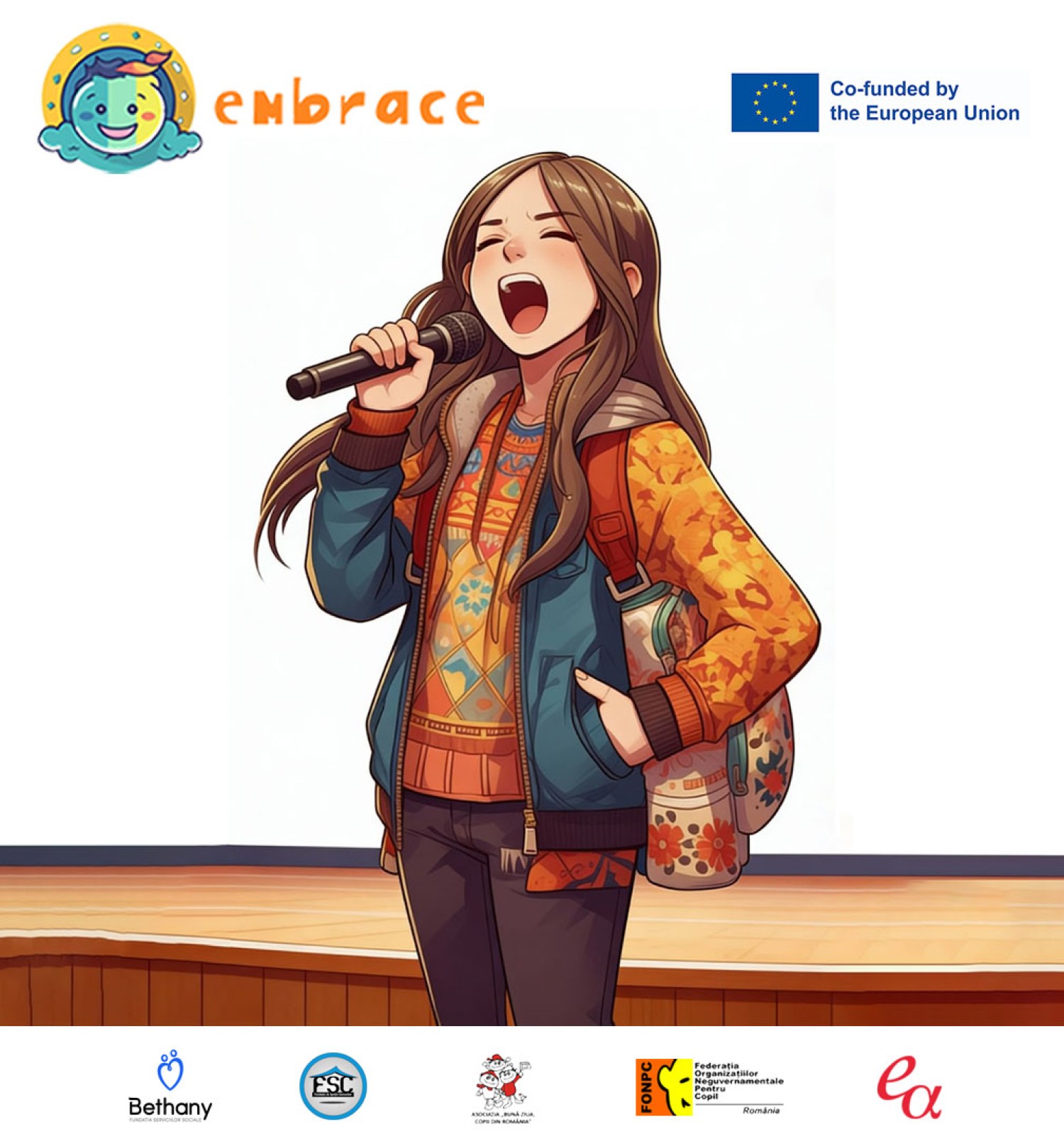
The EMBRACE project encourages young people to use creative forms of expression to share their thoughts and ideas – not simply creative activities – but as structured pathways to self-expression, emotional regulation and agency.
Research in child development consistently shows that when young people feel heard, their sense of belonging and resilience increases. Participation strengthens not only confidence but also social responsibility.
In this sense, artistic freedom becomes a form of advocacy.
From Expression to Empowerment
The United Nations Convention on the Rights of the Child recognizes children’s right to express their views in matters affecting them. Yet meaningful participation requires more than a symbolic invitation to speak.
It requires:
- Safe emotional environments
- Supportive adults who listen without judgment
- Opportunities to create without fear of ridicule
- Structures that value youth perspectives
Through Module 5 of the EMBRACE project, creative expression through drawing, poster creation, and assertive communication are positioned as a bridge between emotional literacy and active participation. When young people are encouraged to transform thoughts and feelings into art, dialogue, or storytelling, they practice advocacy in action.
They learn that their voice carries weight.
Why This Matters Today
In an increasingly complex digital and social landscape, young people navigate pressure, comparison, and rapid change. Artistic freedom provides a stabilising counterbalance, a space where authenticity is protected.
Children who are supported in expressing themselves are more likely to:
- Develop critical thinking skills
- Engage constructively in their communities
- Respect diverse perspectives
- Advocate for fairness and inclusion
Listening to young voices is not only about protecting their rights. It is about strengthening society as a whole.
Listening Is the First Step
Advocacy does not always begin with a megaphone. Sometimes, it begins with a question:
“What do you think?”
When adults pause to listen, validate, and respond thoughtfully, they communicate something powerful: your voice matters.
At EMBRACE, we believe that empowering children through artistic freedom and youth participation builds confident individuals and more inclusive communities.
Young people are not just future leaders. They are active contributors today.
Funding Agency: EACEA – European Education and Culture Executive Agency
Learn more about EMBRACE: embrace-future.eu