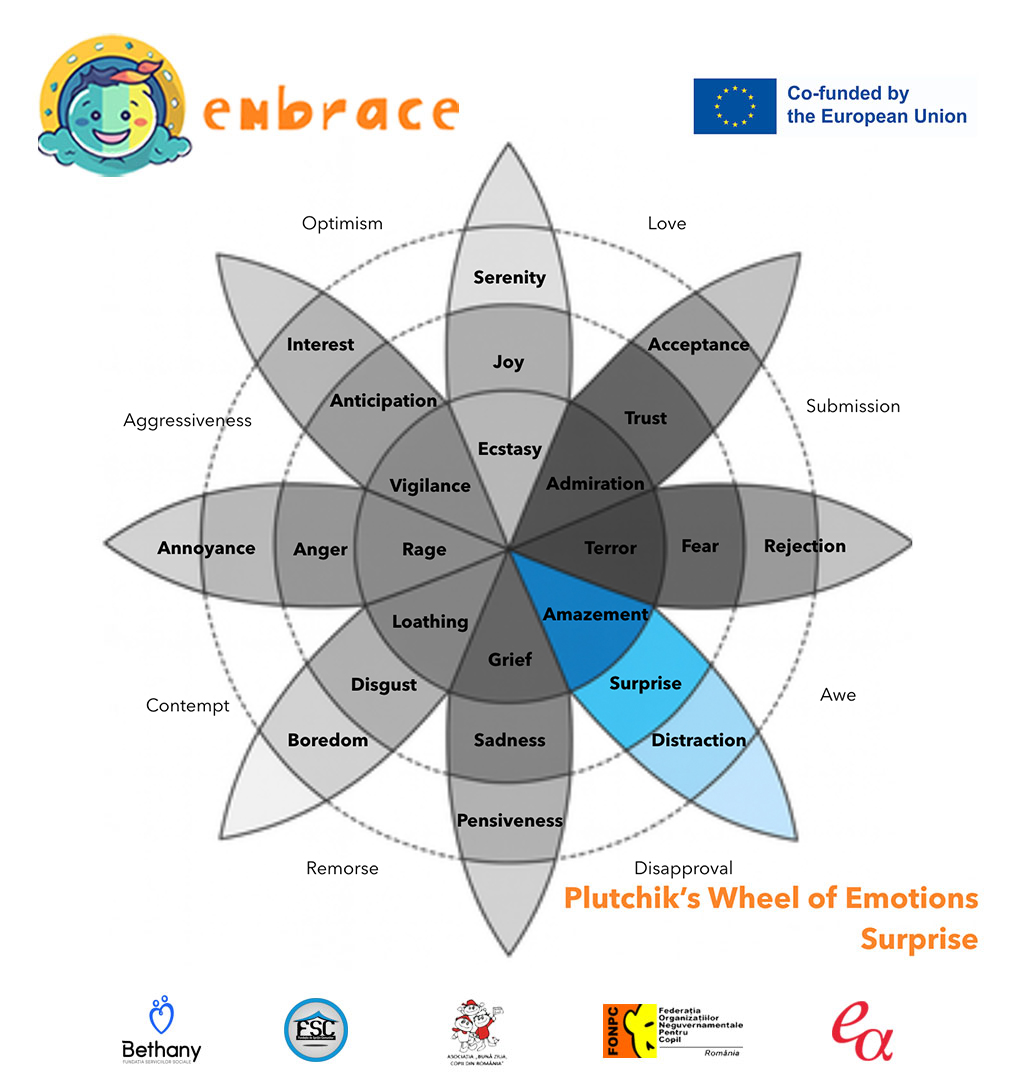
Surprise! 😲
How the Brain Learns to Handle the Unexpected
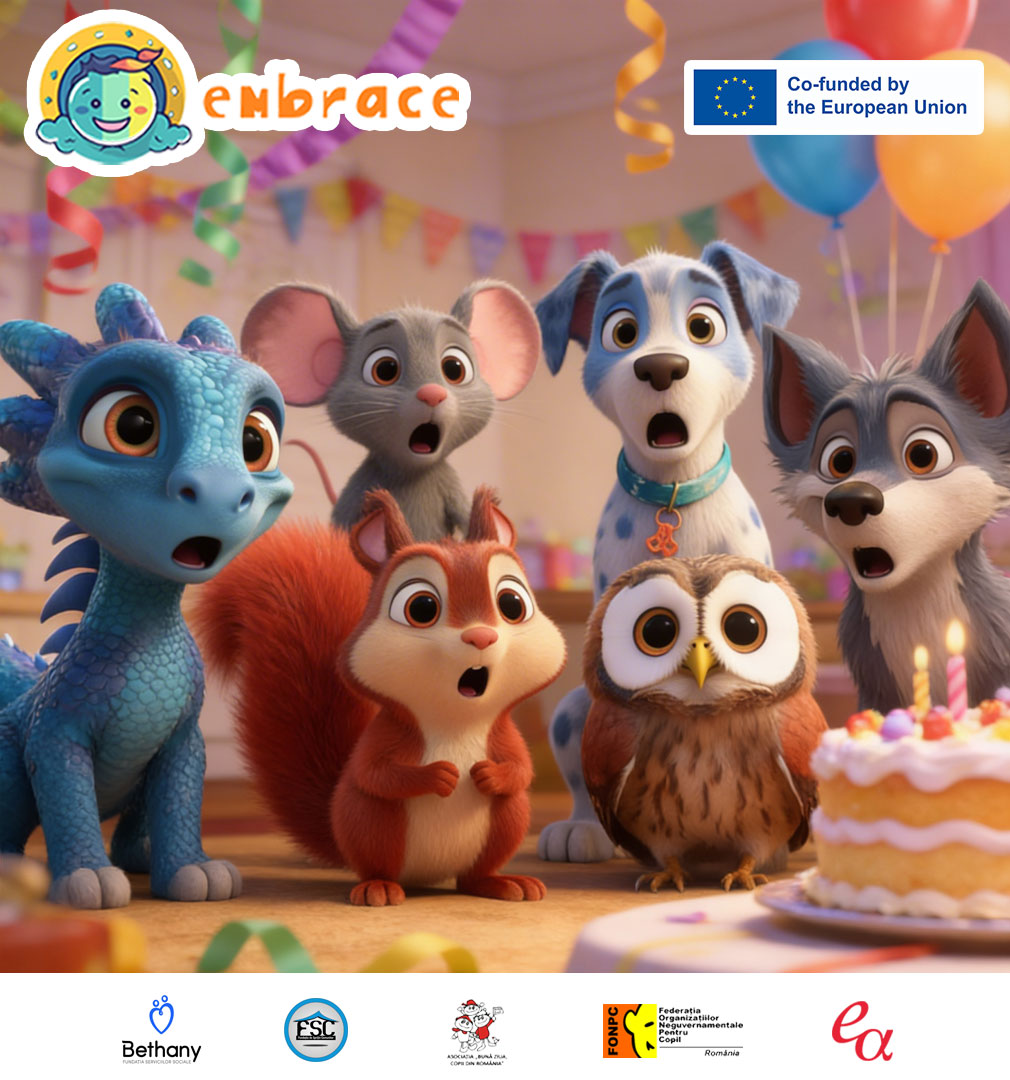
Unexpected things happen every day.
A loud noise.
A sudden change of plans.
An unexpected comment.
Our reaction is often immediate, before we even have time to think.
But why do children seem to react so much more strongly to surprises than adults? And can we actually train ourselves to respond more calmly?
Research from the University of Basel helps us understand what is happening inside the brain when we encounter something unexpected.
Tips:
The Brain on Surprise
When something unexpected happens, the brain reacts quickly. It asks:
- Is this important?
- Is this dangerous?
- Do I need to react right now?
This rapid response system is essential. After all, “new” can sometimes mean “threat.”
In studies using sound sequences (where an unusual tone appears among regular ones), researchers observed how the brain responds to these unexpected changes. In young mice, the reaction to surprising sounds was very strong. As the brain matured, that reaction became more efficient and less intense.
In simple terms, the brain learns to filter.
Instead of reacting strongly every time something unusual happens, it becomes better at deciding what truly deserves attention and what doesn’t.
Why Younger Brains React More
One key finding is that different brain areas mature at different speeds.
Early sensory regions develop first.
The cerebral cortex (the “thinking” part of the brain) develops much later.
In humans, this higher-level brain development continues into early adulthood.
This helps explain why children and teenagers may react more intensely to surprises. Their brains are still refining the system that categorizes what is important and what is not.
And that is completely normal.
Experience Builds the “Filter”
One of the most interesting findings from the research was this:
Experience matters.
When testing sounds on mice, the mice were raised in environments without varied sounds, and the part of the brain responsible for processing unexpected sounds developed more slowly. Without exposure to different stimuli, the brain struggled to build an internal “model of the world.”
We all develop this internal model as we grow. It helps us compare:
- Is this familiar?
- Is this new but safe?
- Or is this something I should pay attention to?
Without enough experience, everything can feel bigger, louder, and more alarming.
With experience, the brain becomes more efficient, helping to manage surprise.
Surprise Isn’t the Problem
Surprise itself is not negative.
It is a natural cognitive function. It keeps us alert. It helps us learn. It updates our understanding of the world.
The challenge is not avoiding surprise. The challenge is how we process it.
And the good news is: this is something we can practice.
Practical Tips to Handle Surprise Better
Based on what we know about how the brain processes unexpected events, here are simple ways to strengthen that internal “filter”:
1. Pause Before Reacting
When something unexpected happens, stop.
Take one slow breath.
This gives your brain time to move from automatic reaction to thoughtful response.
2. Name the Experience
Say to yourself:
“That surprised me.”
“I didn’t expect that.”
Labeling the experience helps the brain organize what just happened.
3. Ask One Simple Question
Is this actually dangerous?
Or is it just different from what I expected?
Often, surprise does not equal threat.
4. Practice Small Changes
You can train your brain to become more flexible by gently stepping outside routine:
- Try a new activity
- Change small daily habits
- Visit new environments
- Reflect after something surprising happens
Each new experience strengthens your ability to categorize and respond calmly next time.
From Reaction to Resilience
Growing up is not about eliminating strong reactions. It is about building the skills to regulate them.
The brain naturally becomes more efficient over time. But supportive environments, varied experiences, and intentional reflection can strengthen this process.
Especially for young people, learning how surprise works can reduce confusion and self-judgment. Strong reactions are part of development.
What matters is learning how to pause, assess, and respond.
Because the goal isn’t to avoid surprises.
It’s to build the skills to handle them calmly.
Read in Romanian:
Source: University of Basel, Surprise! – How the brain learns to deal with the unexpected