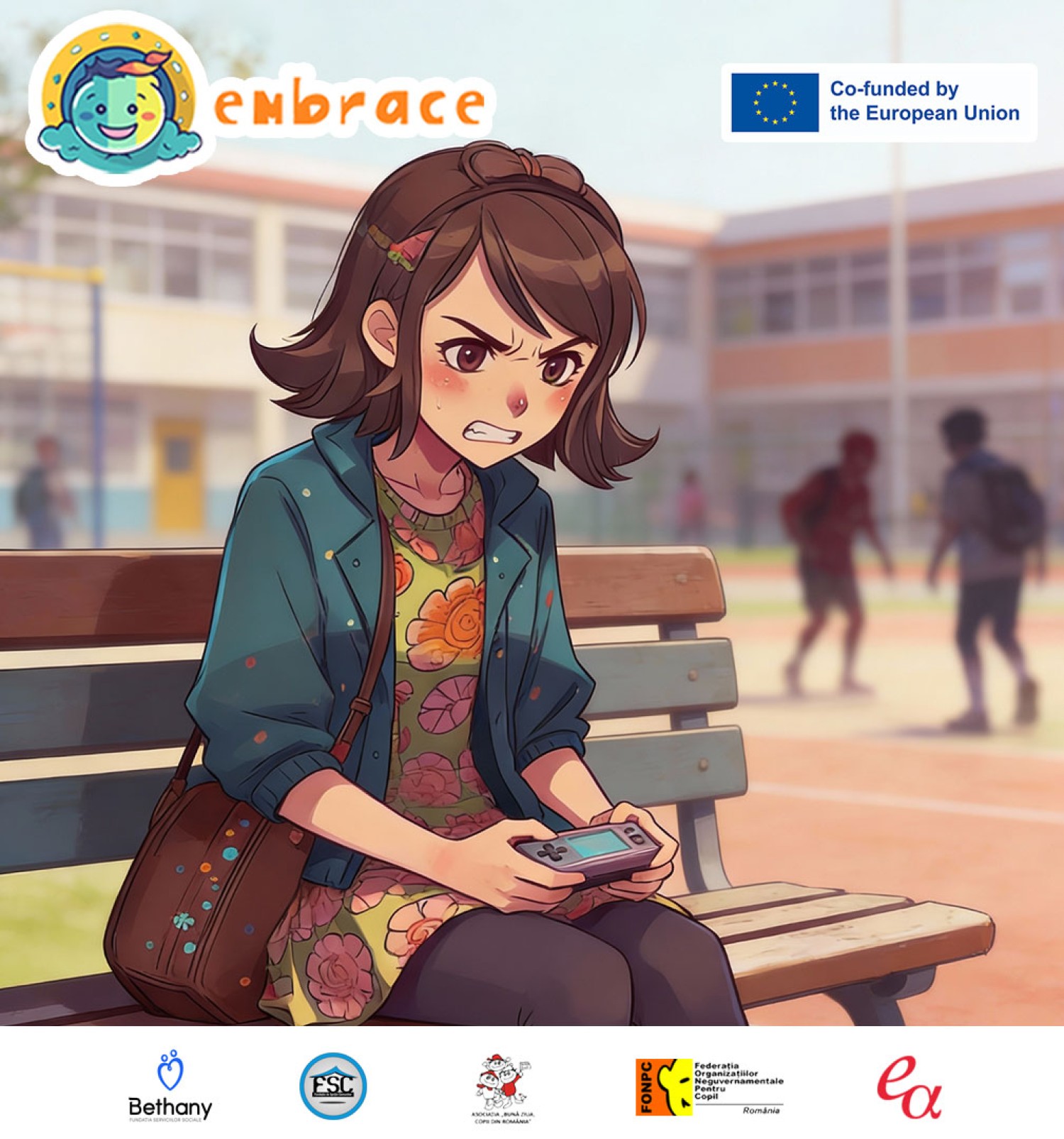
Anger is one of the most misunderstood emotions in childhood. It is often seen only through behavior (shouting, resistance, or aggression), while the emotion itself is overlooked. Yet anger is a normal and useful emotional signal. It alerts children (and adults) when something feels unfair, blocked, or threatening.
According to Robert Plutchik’s Wheel of Emotions, anger sits opposite fear. While fear prepares the body to protect, anger prepares the body to confront. Both emotions are essential for survival and emotional development. Importantly, anger exists on a spectrum, ranging from mild irritation and frustration to intense rage.
Recognizing this spectrum matters. When children can identify early forms of anger – such as irritation or frustration – they are better able to regulate their reactions before emotions escalate. Parents and caregivers play a key role in supporting this process by helping children name what they feel rather than focusing only on behavior.
Scientific research on affect labeling shows that naming emotions reduces emotional intensity by lowering activity in the brain’s threat system (the amygdala). When a child can say, “I feel angry” instead of acting on that anger, the brain shifts from reaction to regulation. Over time, this skill supports better self-control, communication, and emotional resilience.
Anger often appears in the body before it appears in actions. A faster heartbeat, tense muscles, clenched fists, or restlessness are common early signals. Learning to notice these signs allows children to pause, calm their bodies, and choose a more constructive response.
The EMBRACE PROJECT supports families in building emotional literacy through practical, accessible tools. One of these tools is the interactive activity “Name the Emotions”, which invites parents and children to explore how anger feels, how it changes in intensity, and how it can be managed together.
👉 Try the interactive Anger Quiz:
▪ ENGLISH: https://www.menti.com/al1r9i2fo1at
▪ ROMANIAN: https://www.menti.com/ali6zqai79y1
By naming anger, children gain clarity over their inner experiences. Families gain a shared language for support. Emotional literacy becomes a daily practice, not just a response to difficult moments.