Disgust – The Emotion That Helps Protect Us
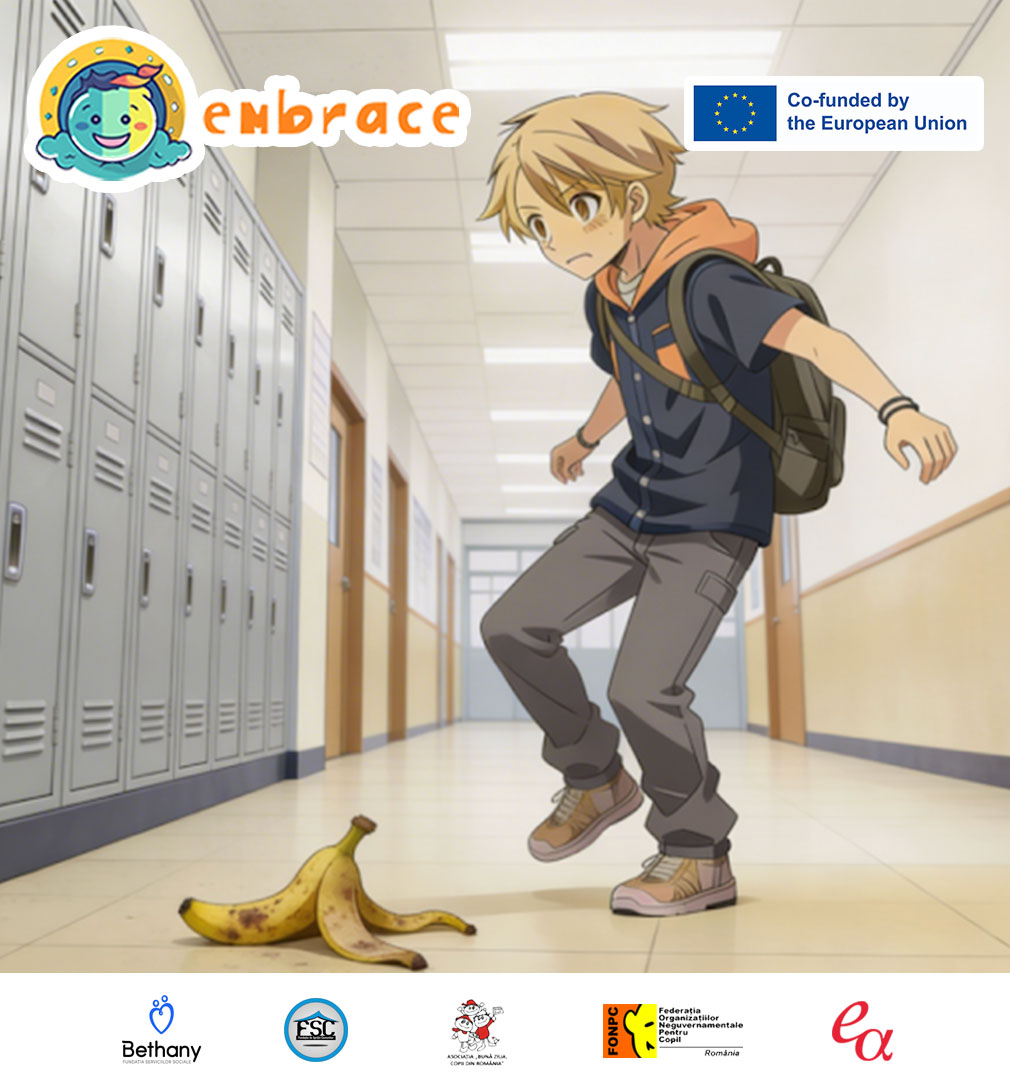
Imagine noticing something that smells spoiled, looks dirty, or simply feels “wrong.”
Your reaction is immediate: you pull back, wrinkle your nose, or move away.
That reaction is disgust. It plays an important role in protecting us.
Researchers studying emotions describe disgust as one of the brain’s core protective systems. While fear helps us avoid external dangers, disgust helps protect our bodies from harmful substances such as pathogens, toxins, and contamination.
Tips:
The Brain’s Early Warning System
Disgust is much more than simply disliking something.
Scientists describe it as a flexible emotional system that evolved to help organisms avoid potential infection or contamination before it happens.
Unlike simple taste rejection (like spitting out bad food), disgust can be triggered through multiple senses:
- Smell
- Sight
- Touch
- Memory or imagination
For example, we may feel disgust when seeing spoiled food, touching something slimy, or even thinking about contamination.
This reaction allows the brain to anticipate danger and protect the body before exposure occurs.
More Than Just “Gross”
Disgust is often confused with other physical reactions, such as nausea or vomiting. But scientists explain that these are only part of a much larger emotional system.
While nausea or vomiting are physical reactions to harmful substances already in the body, disgust often acts before contact occurs.
This means the emotion helps us avoid danger early, functioning like a protective filter for our environment.
Why Disgust Is Important for Children
For young people, disgust plays an important role in learning about boundaries.
It helps them recognize when something feels unhealthy, unsafe, or inappropriate.
Children may express disgust through facial expressions, stepping away from something unpleasant, or saying that something feels “gross”.
These reactions are signals from the brain’s protective system.
Helping children understand this emotion allows them to:
- recognize unhealthy environments
• listen to their instincts
• develop personal boundaries
• understand that discomfort can carry useful information
When Disgust Becomes Too Strong
Like any emotional system, disgust can sometimes become overly sensitive.
Research shows that strong or persistent disgust reactions can be connected to certain anxiety-related conditions, such as contamination fears.
This is why learning to understand and talk about emotions is important.
When children are able to name and discuss their reactions, they become better at regulating them.
Practical Tips to Understand Disgust
Here are simple ways to help children recognize and manage disgust:
1. Recognize the Signal
When something feels “gross,” pause and notice the reaction.
Your brain is trying to protect you.
2. Identify the Source
Ask:
What exactly caused this feeling?
A smell? A sight? A thought?
Understanding the trigger helps the brain categorize the experience.
3. Check the Situation
Sometimes disgust signals real danger.
Other times, it may simply be unfamiliar.
Learning to distinguish the two is an important skill.
4. Talk About the Feeling
Encourage children to describe why something feels unpleasant.
Naming emotions strengthens emotional awareness.
View Tips in Romanian:
From Instinct to Understanding
Disgust is not just about avoiding spoiled food or unpleasant smells.
It is a powerful emotional system that helps us navigate the world safely.
By helping children understand why they feel disgust (and when it is useful), parents and educators can support stronger emotional awareness and healthier decision-making.
Because sometimes, that instinctive reaction of “something feels wrong” is exactly the signal the brain was designed to send.
Source: Tolchinsky et al. (2024), Disgust as a Primary Emotional System and its Clinical Relevance
Funding Agency: EACEA – European Education and Culture Executive Agency
Learn more about EMBRACE: embrace-future.eu