Naming Trust: How Children Build Safety, Connection, and Confidence
Trust is one of the foundational emotions in childhood, yet it is often taken for granted. It does not appear as loudly as anger or as visibly as fear, but it shapes how children relate to others, explore the world, and develop a sense of security.
According to psychologist Robert Plutchik’s Wheel of Emotions, trust is a core emotion that supports bonding, cooperation, and social connection. It sits opposite disgust, highlighting its role in helping children move toward others rather than withdraw from them. Trust creates the conditions for relationships to grow.
Trust develops through repeated experiences. When children feel heard, supported, and treated consistently, they begin to expect safety in their interactions. This expectation becomes the basis for confidence; not only in others, but also in themselves.
Research in emotional development shows that children who experience stable and supportive relationships are more likely to develop strong emotional regulation and social skills. Trust allows children to take risks in learning, ask questions, and express their thoughts without fear of rejection. It creates a secure environment where growth becomes possible.
At the same time, trust is not automatic. It builds gradually and can be challenged by inconsistency, unpredictability, or negative experiences. This is why helping children recognize and understand trust as an emotion matters. When children can name trust, they begin to understand what makes them feel safe and what does not.
Trust is often visible in everyday moments:
- sharing thoughts or feelings with a trusted adult
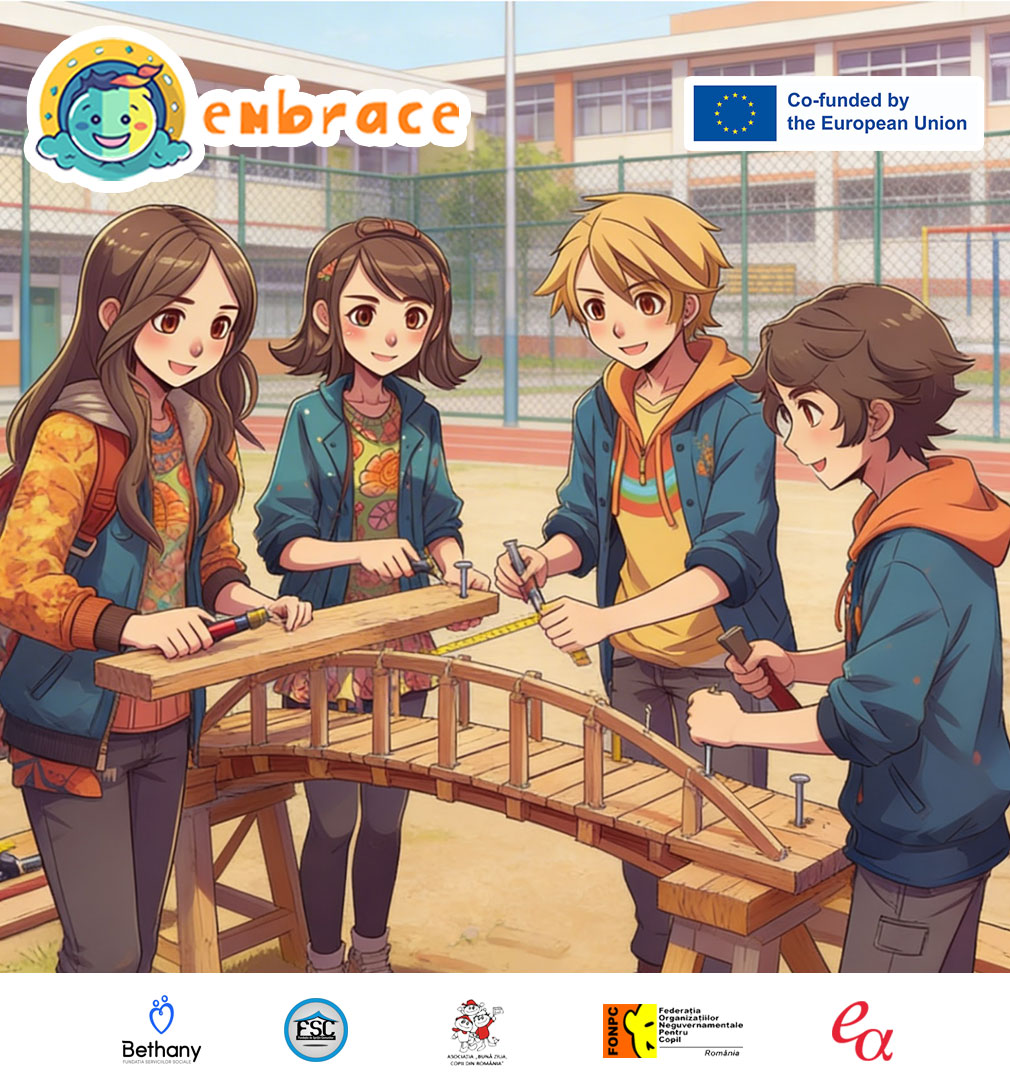
- working together with peers
- asking for help when something feels difficult
- trying something new in a supportive environment
These moments may seem small, but they form the foundation of emotional security.
The EMBRACE PROJECT supports families and educators in developing emotional literacy through practical tools such as the interactive activity “Name the Emotions.” By exploring trust, children learn to recognize when they feel safe, how relationships are built, and why consistency matters.
👉 Try the interactive Trust Quiz:
▪ ENGLISH: www.menti.com/alyey79qtvvk
▪ ROMANIAN: www.menti.com/alydbcq31xsd
When trust is named and nurtured, children develop stronger relationships, greater confidence, and a deeper sense of belonging. Emotional literacy grows not only from understanding difficult emotions, but also from recognizing the ones that help us connect.